Water Quality Monitoring Program

The Primary water quality problems in the Taunton River Watershed are driven by excess nutrients (nitrogen and phosphorus), bacteria, stormwater runoff, droughts, and floods.

To gauge the health of our water- ways, a dedicated crew of 30 volunteers work in 9 teams performing monthly testing at twenty sites on the Taunton River and tributaries, measuring levels of nitrate, total phosphorus, bacteria, dissolved oxygen, pH and temperature.

Global warming is causing more extreme weather. Larger winter/spring floods along with sea level rise followed by more severe summer heat waves and droughts punctuated by short high intensity rainstorms which add pulses of polluted stormwater to our rivers but do little to restore river flow or recharge groundwater supplies.

Working to improve water quality the five upriver wastewater treatment plants (Brockton, Mansfield, Middleborough, Bridgewater and Taunton) have upgraded to reduce nitrogen.

The four plants that discharge to the freshwater portion of the watershed upstream of Taunton except Bridgewater (scheduled for 5/01/2027) also remove phosphorus. EPA recently reissued the Somerset permit with a schedule to remove nitrogen by 6/01/2030 and has a similar permit for Fall River off public notice awaiting reissuance.

One of the biggest TRWA monitored problem pollutants in the watershed is excess nitrogen loading which is improving with the wastewater treatment plants upgrades. Other sources of nitrogen include stormwater run-off, excess lawn/turf/crop fertilization (especially application of fertilizer, on sidewalks, roads and driveways), pet wastes, failing septic systems, stream bank erosion, stream buffer loss, and poor manure management from farming. Now that the upriver plants are removing phosphorus, we more clearly see the serious remaining problems from stormwater runoff contributing both phosphorus and bacteria after the high intensity short duration rainstorms occurring in summer with global warming.


Are You Interested in Becoming a Volunteer?

Volunteer Sign-Up

Trained volunteers sample five locations on the main stem of the Taunton River and 15 tributary locations in the morning on the second Tuesday of each month from April to October. Samples are delivered to the lab before 8:30 AM.

  • Teams of 2 or 3 people sample 1 to 3 sites each so each sampler and sampling location has back up(s) for vacations, etc.
  • Samples are usually taken from bridge location sidewalks using a rope and plastic bucket. Filled sample bottles are put in a plastic cooler and transported to the lab for analysis or pick up. The TRWA website has one page instructions for all aspects of sampling.
  • It takes about 10 minutes at each site to fill lab provided bottles for nitrate, total phosphorus, and enterococci bacteria (our most important samples), as well as a larger bottle for pH, and a special glass bottle for dissolved oxygen. Samplers also measure river temperature with a thermometer and note the sampling time on the sample bottles and our chain of custody form.
  • If samplers see a problem such as algae bloom, they are encouraged to take a picture with their smartphone.
  • Nitrate, total phosphorus, and enterococci bacteria are analyzed by a MassDEP certified contract lab (Microbac in Dayville, CT), dissolved oxygen, and pH are analyzed by Veolia North America at the Taunton WWTP lab

Training for volunteers is generally held the last Saturday morning in March from 9:30 AM – Noon (watch our website for details).

We want new volunteers to increase the size of our teams. The folks who do the sampling find it fun and educational to get out on the river to see what is happening in the early morning hours from 5:30 to 8:00 AM (sample drop off time is by 8:30 AM). It is a good way to learn how the rivers in our watershed are doing, what needs to be done to improve them and meet some really nice people.

Current and historic test results are found on our website at:

https://savethetaunton.org/water-quality-monitoring/water-quality-results/

For information on watershed water quality issues and their solutions visit: savethetaunton.org/water-quality-monitoring/


PDF version: TRWA Water Quality Monitoring Program

New Staff at TRWA

As we enter 2026, TWRA is privileged to welcome and introduce you to our two new staff members, Melissa Benjamin, TRWA Coordinator, and Abby Abrahamson, Bruce Spooner Education Center Program Manager. 

Melissa Benjamin comes to TRWA with a background in wildlife management/conservation, office management, environmental education, and communications. She earned her bachelor’s degree in biology at the University of Maine in Machias. She has previously worked for other conservation organizations such as Mass Audubon and the National Park Service.

She is a life-long nature-lover and is thrilled to work for TRWA. She is excited to bring more attention to the important work that TRWA does, support environmental advocacy and conservation efforts, as well as assist with expanding educational programs. 

Already she has expanded TRWA’s social media presence with a TikTok account, adding more dimension and followers to our Facebook account with other plans in the works.

When she’s not running the TRWA office, you can find her looking at birds, listening to music, taking photos, and going on adventures with her seven-year-old daughter.

You can reach her at 508-697-5700 and director@savethetaunton.org  

For office hours please call ahead: 508-828-1101


Abby Abrahamson is equally thrilled to join TRWA.

She looks forward to connecting with community members across the Taunton River Watershed to explore the vital role the watershed plays in our lives and how we can all enjoy, learn about, and protect it.

She is an environmental educator and community engagement professional dedicated to sharing her love and awe of nature in ways that inspire meaningful local environmental action. With experience spanning nonprofit outreach, program design, and education, she is bringing a dynamic blend of scientific knowledge, communication skills, and on-the-ground leadership to her work. 

Abby holds a Bachelor of Science in Environmental Studies and a Bachelor of Arts in Sociology from the Massachusetts College of Liberal Arts. In her free time, Abby enjoys photography, reading, and cycling. In 2025, she cycled the full 41 route in the annual Buzzards Bay Watershed Ride. She hopes to complete her first triathlon in 2026!

We will be cheering her on.

Watch for innovative new programs and traditional favorites at Taunton River Watershed Alliance – A Voice for the River since 1988

It’s TRWA’s  growth and success that have required additional staff. Abby’s position as the Education Center Manager is new. The education center’s growth has outgrown its volunteer and office management. Melissa’s position has added hours as well. 

TRWA’s members, our office coordinator, our multi-faceted officers and board of directors, the volunteers who are the backbone of the organization’s work, donors and sponsors whose contributions are so important to the financial support of the organization, and our social media followers who spread the word are all essential to TRWA.  We are always open to new ideas and suggestions. Thanks to all.


– Sally Spooner, TRWA Board Member


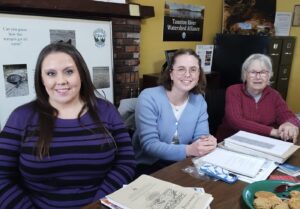
Pictured left to right: Coordinator Melissa Benjamin,  Bruce Spooner Education Center 

Program Manager Abby Abrahamson, TRWA Board Member Sally Spooner.


TRWA New Staff Press Release

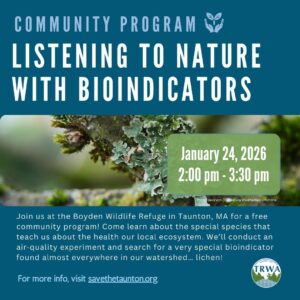
Listening to Nature with Bioindicators

 
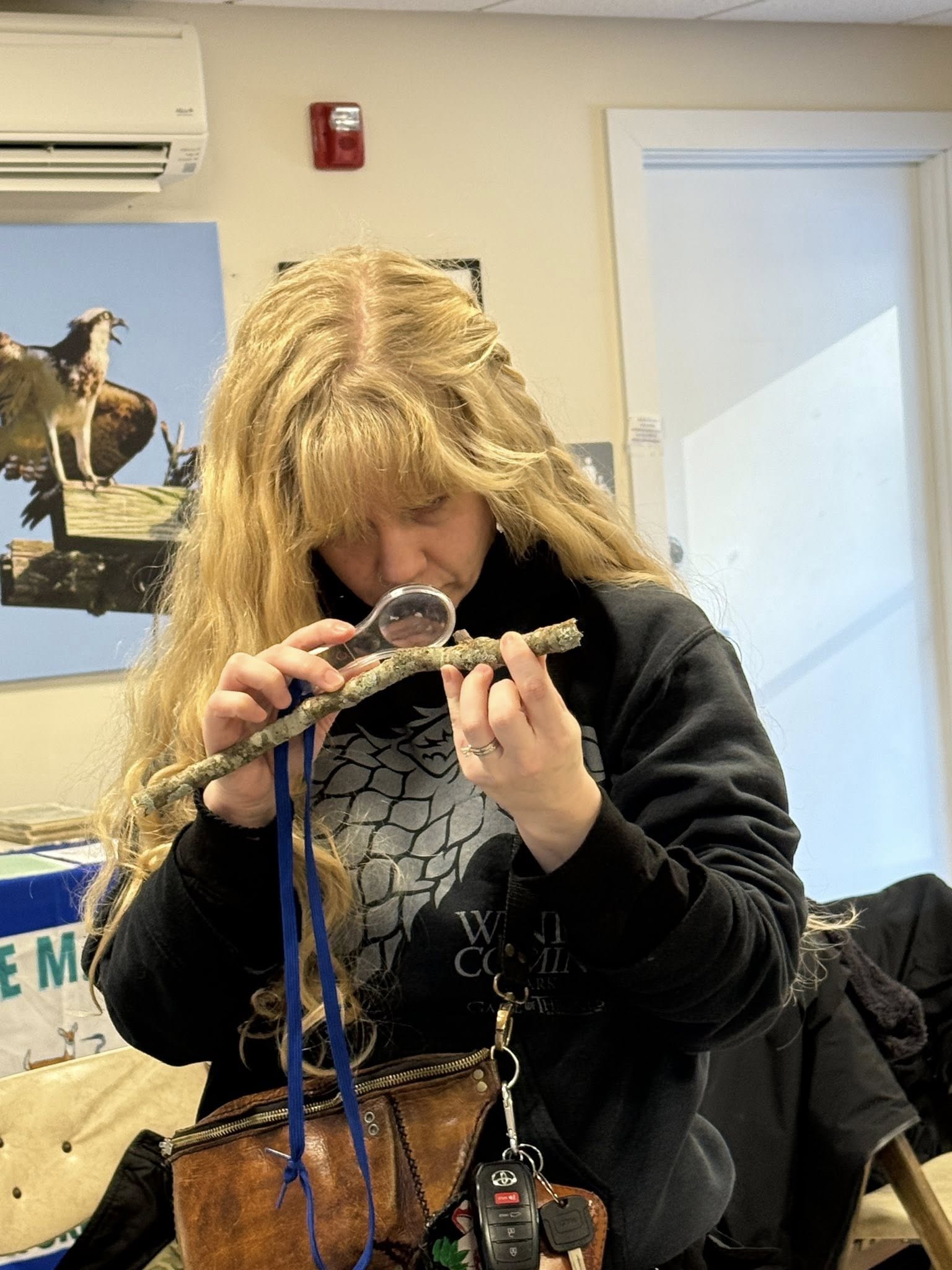
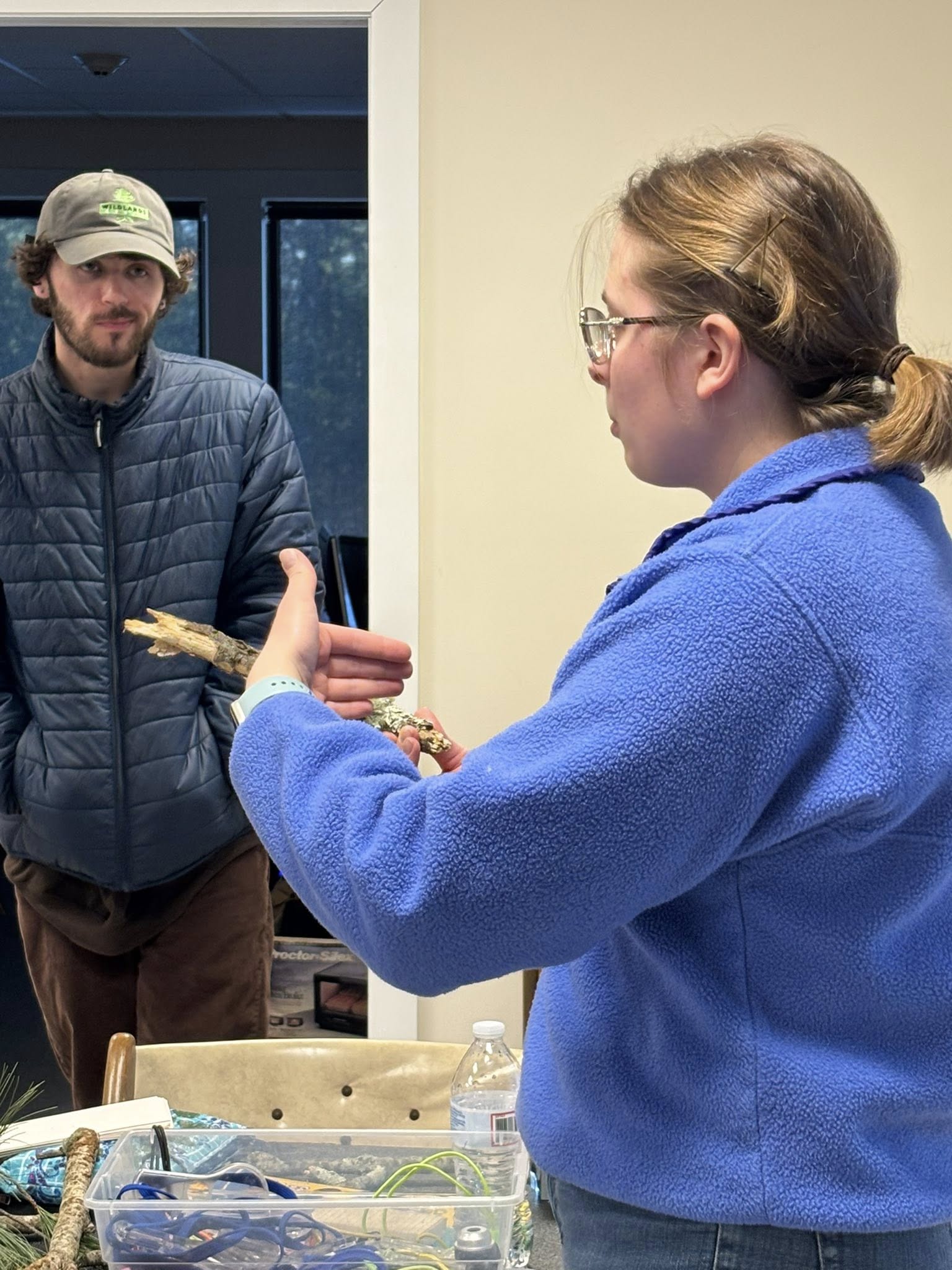
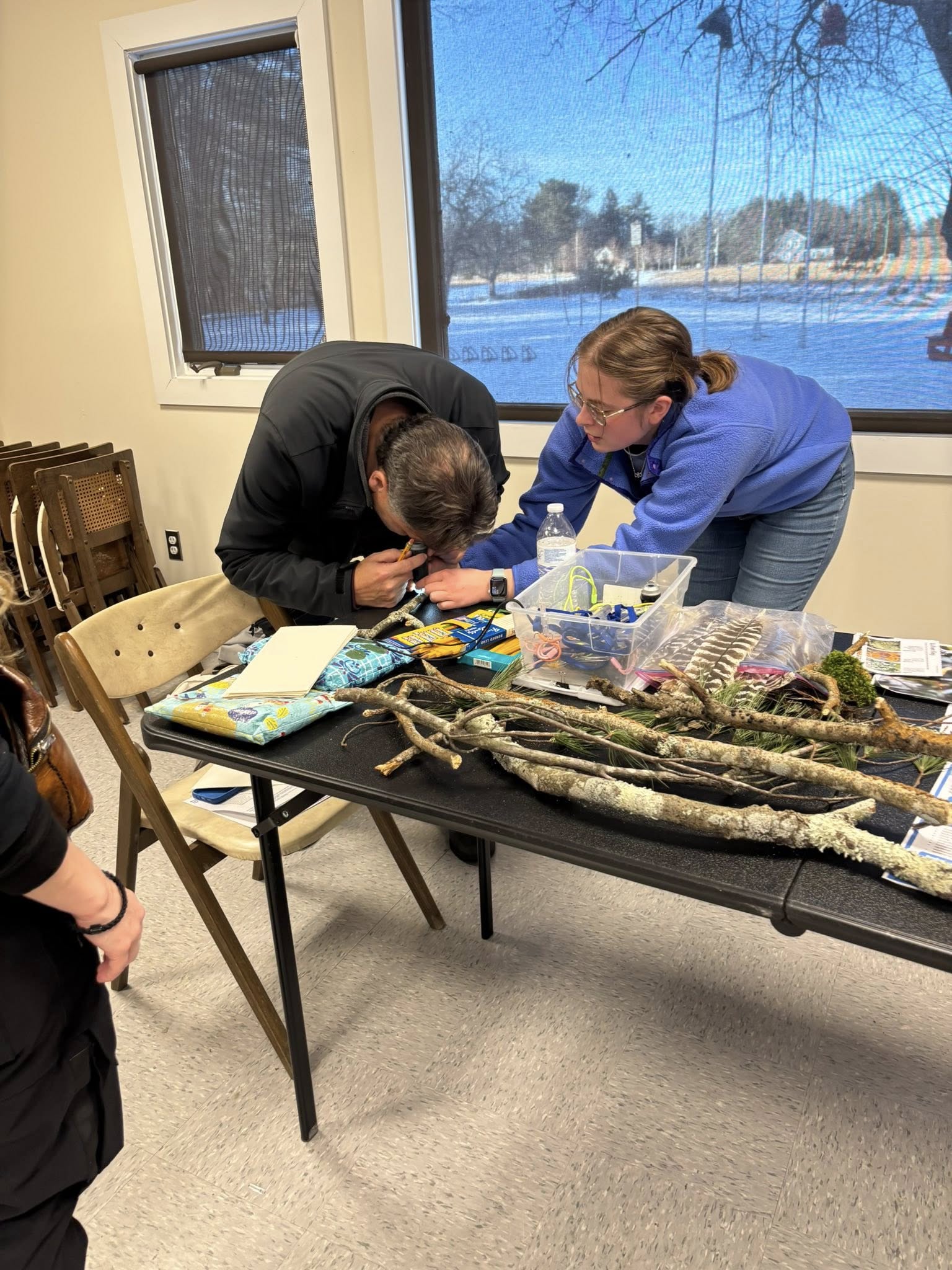
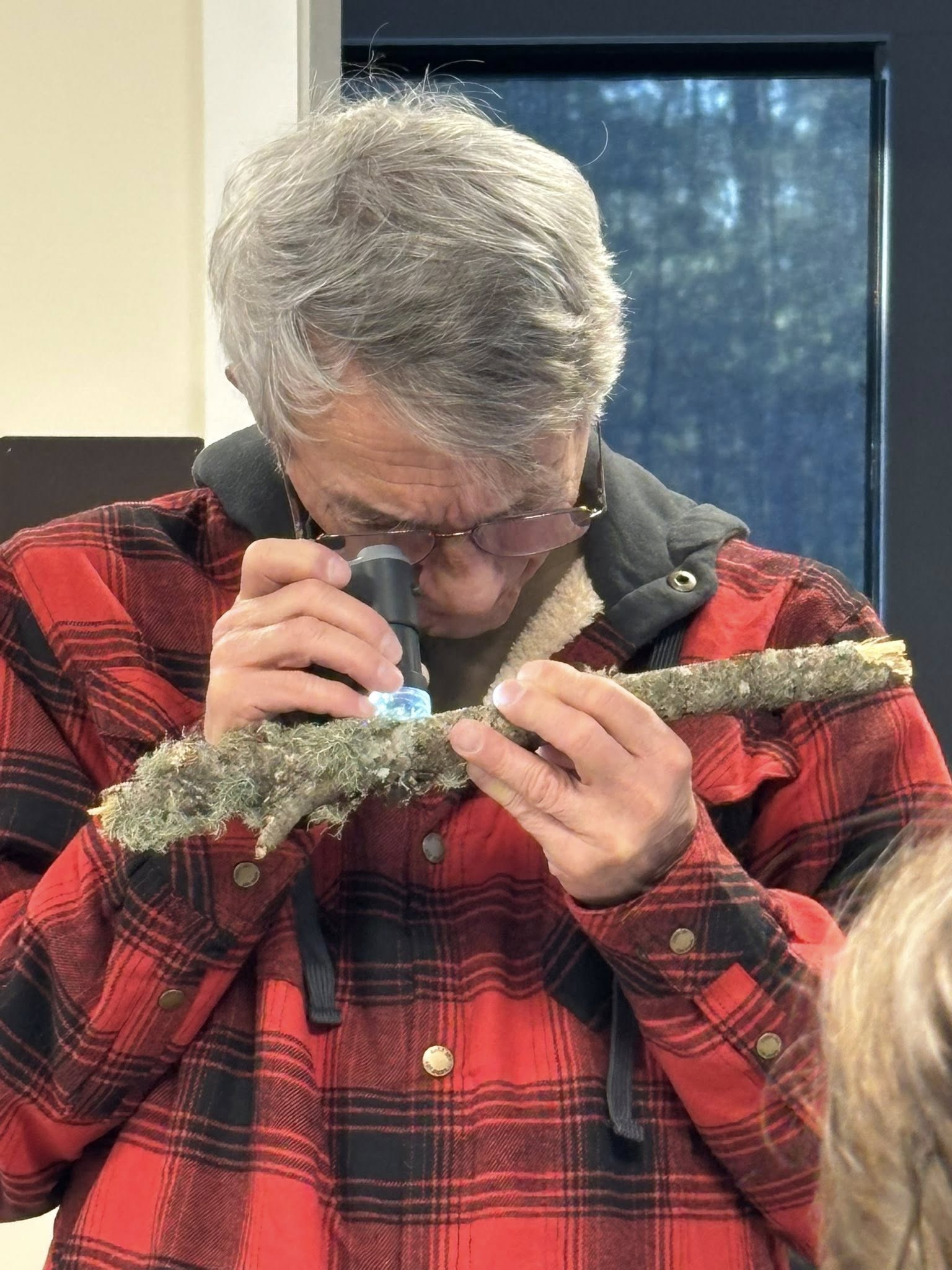
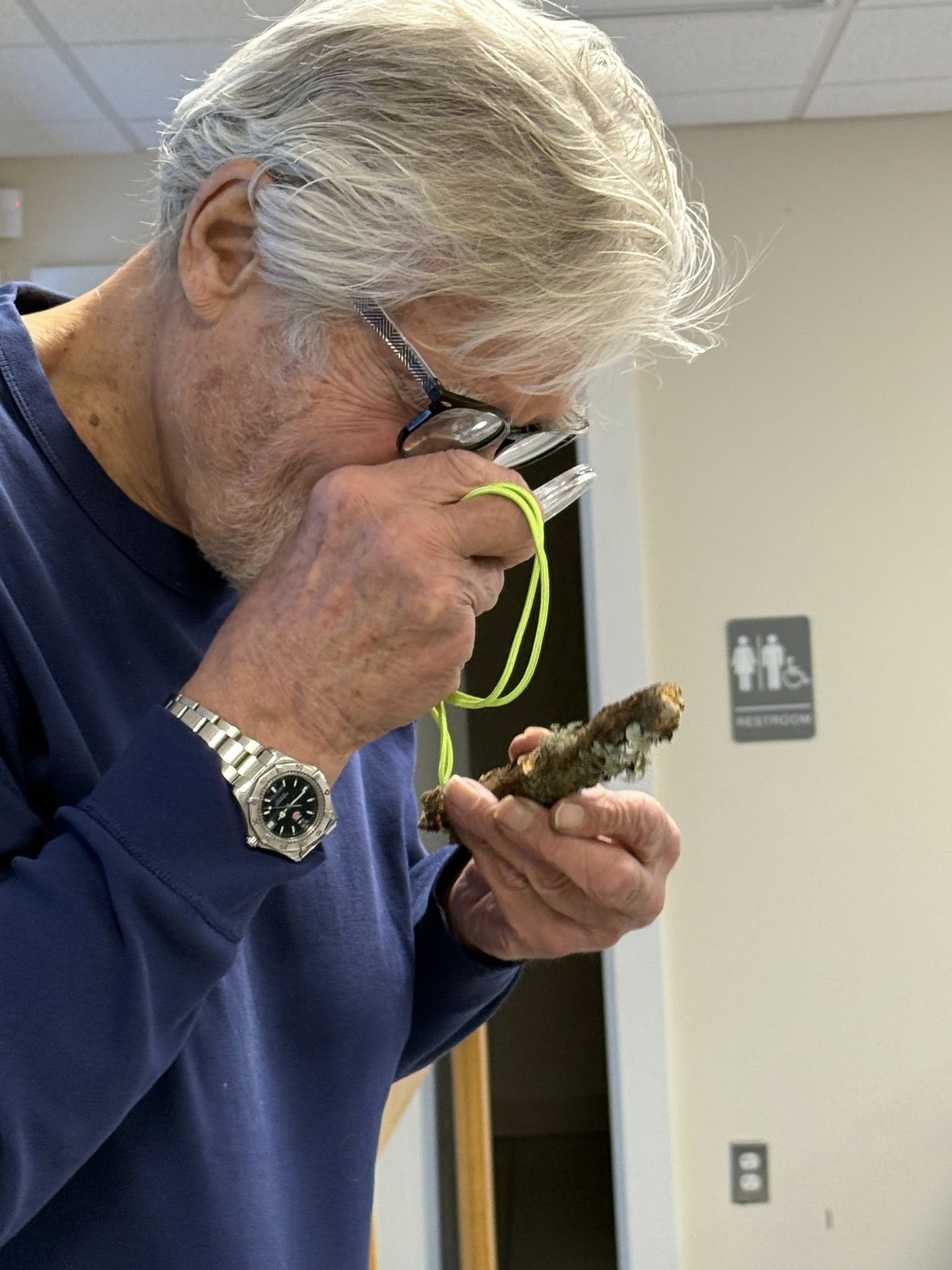
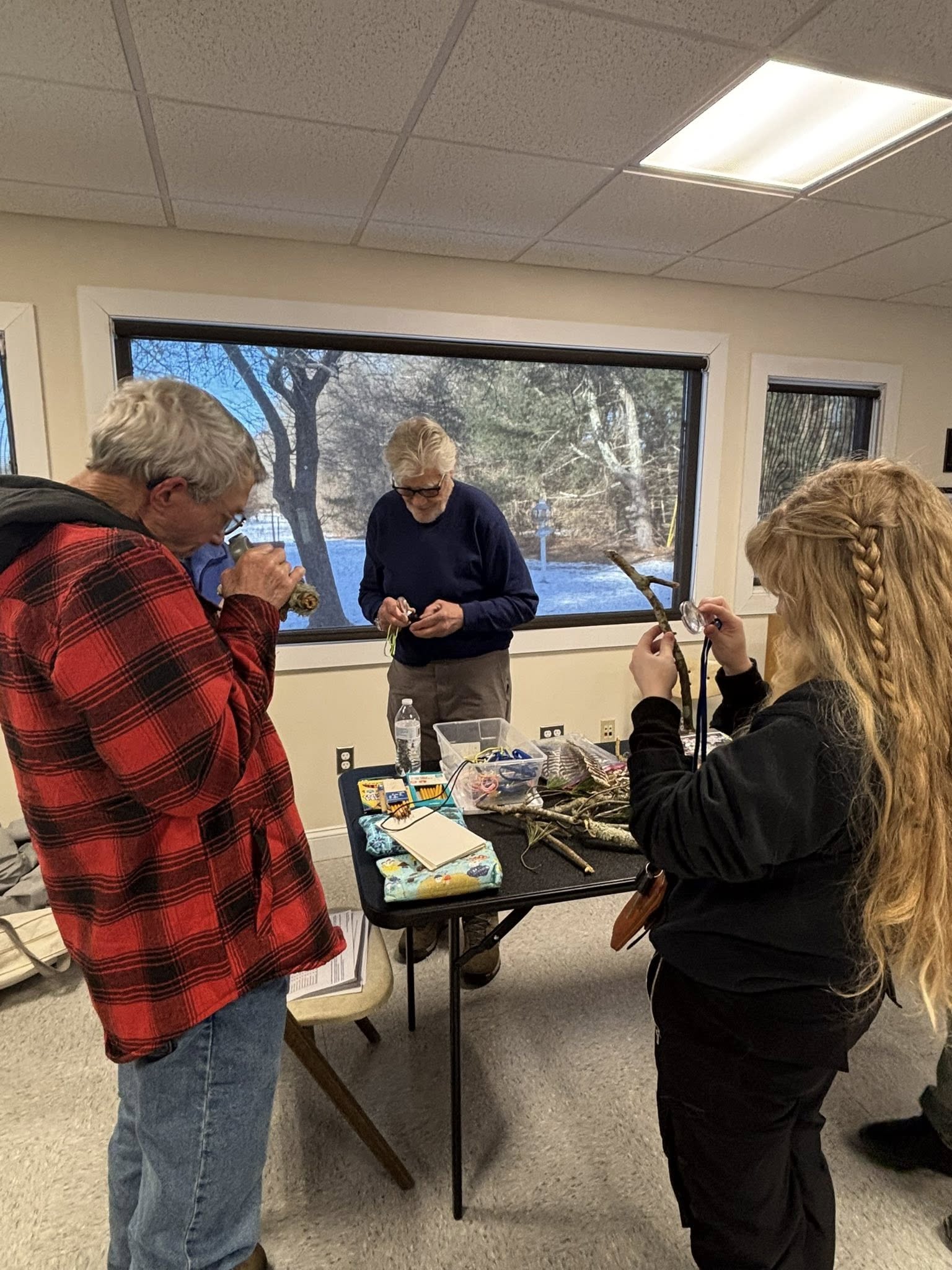
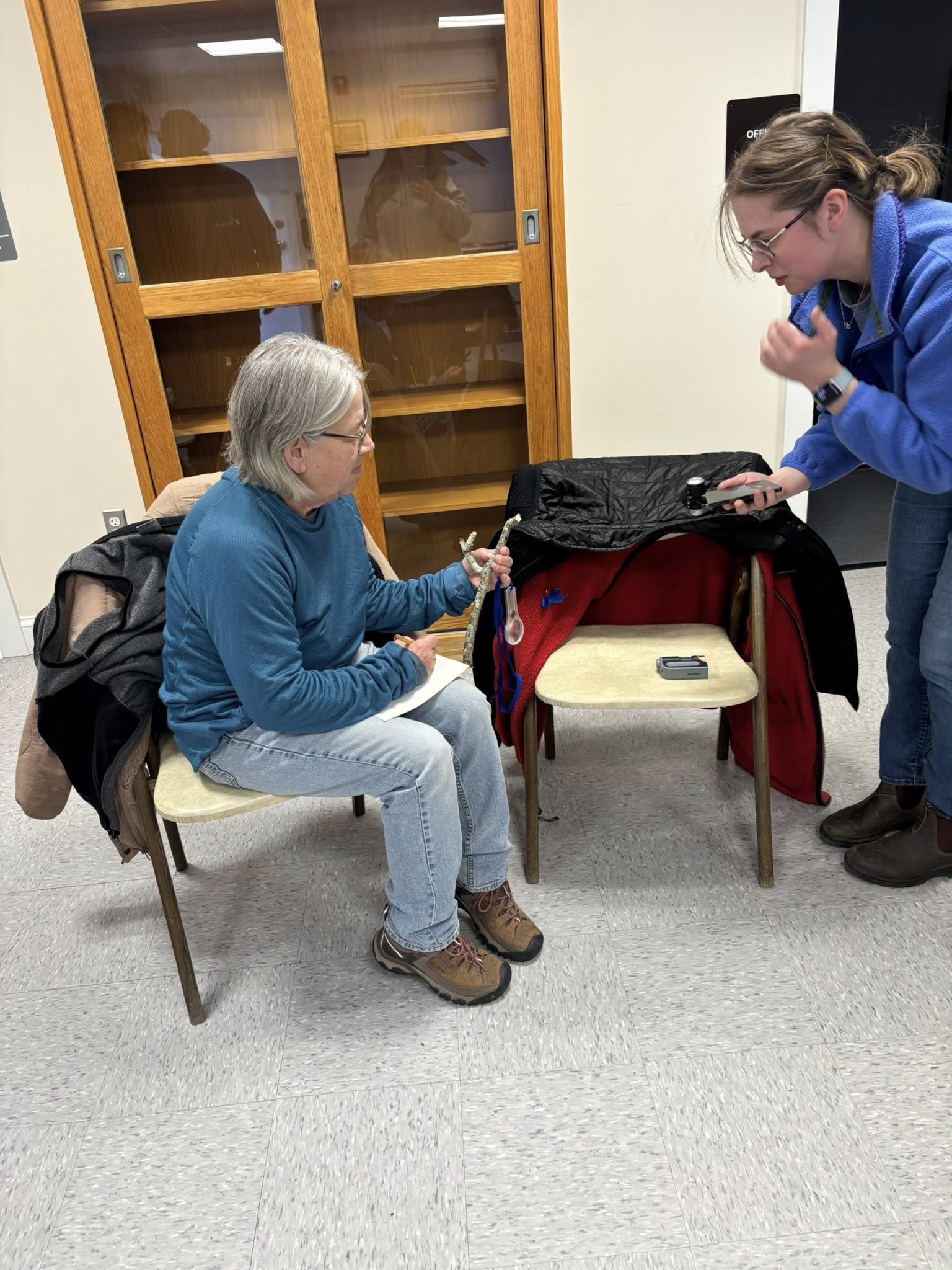
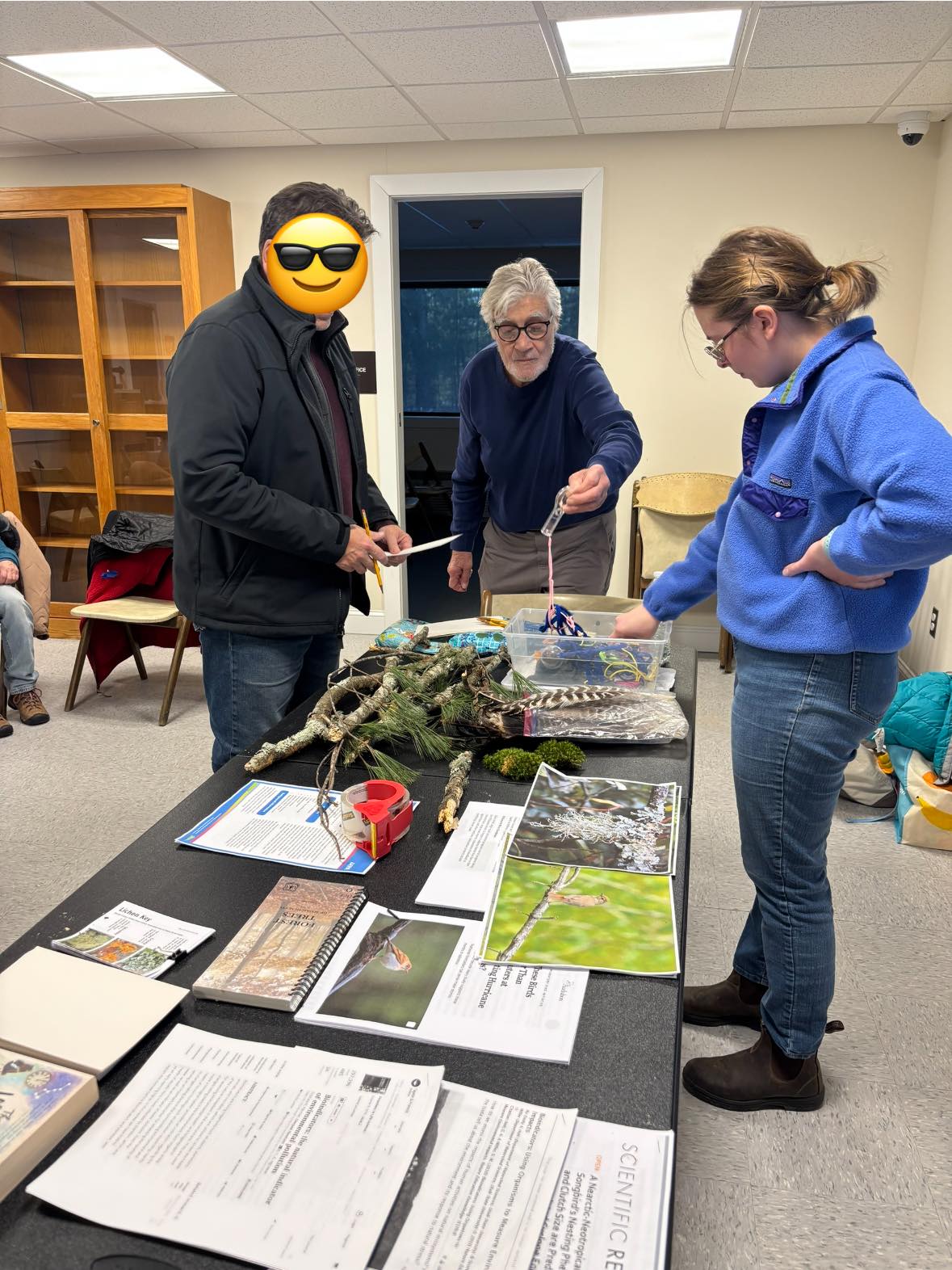
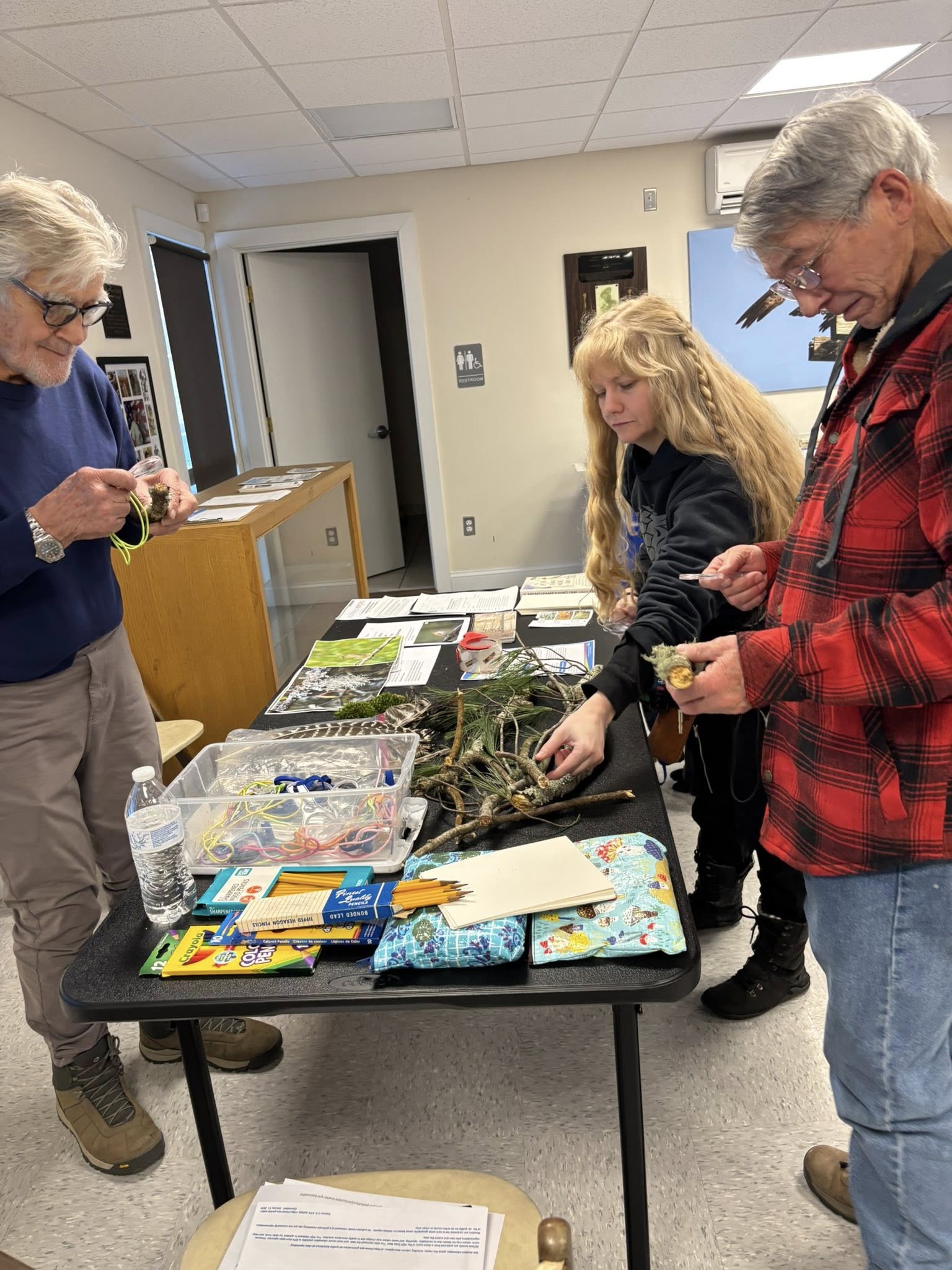
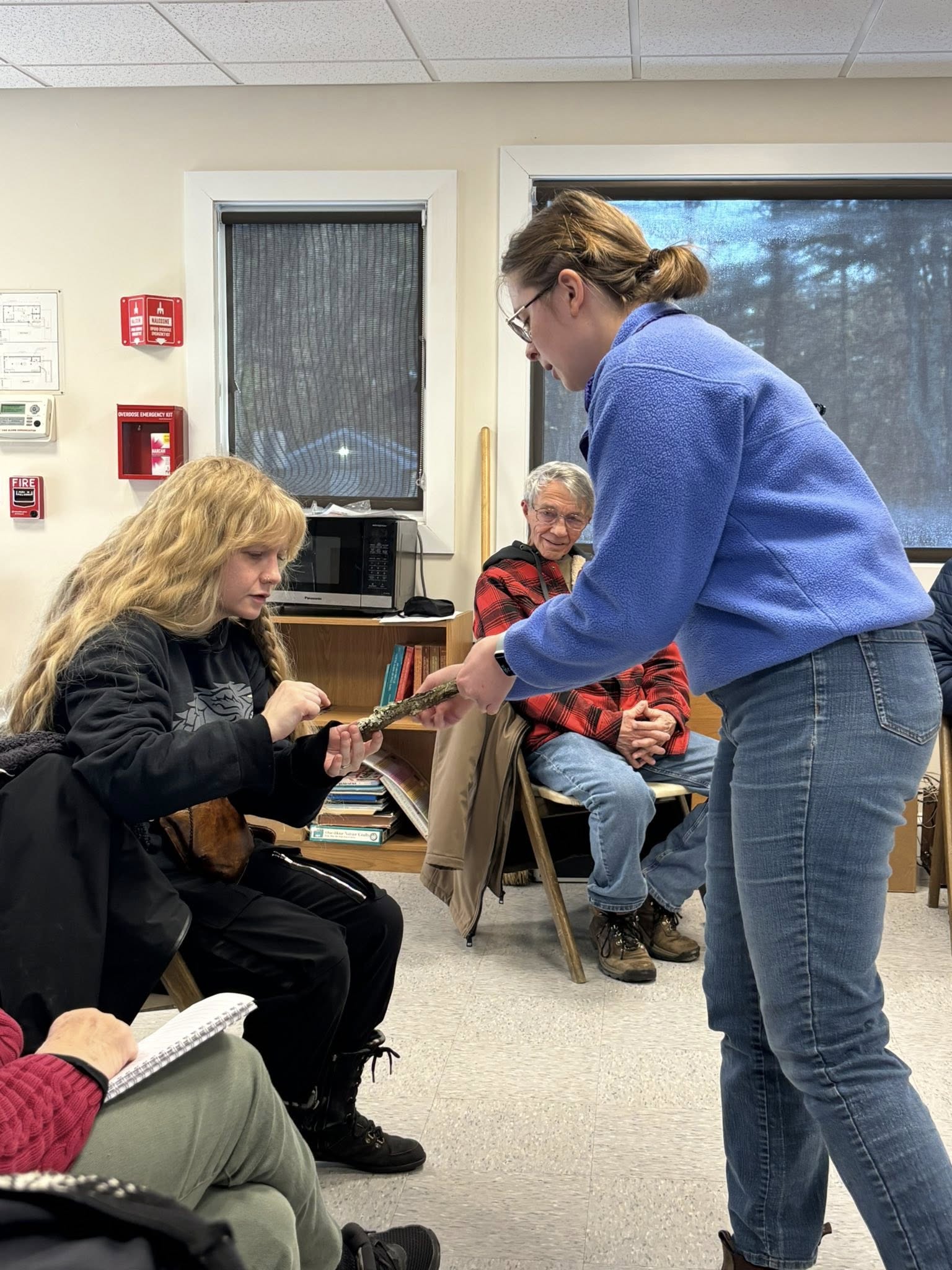
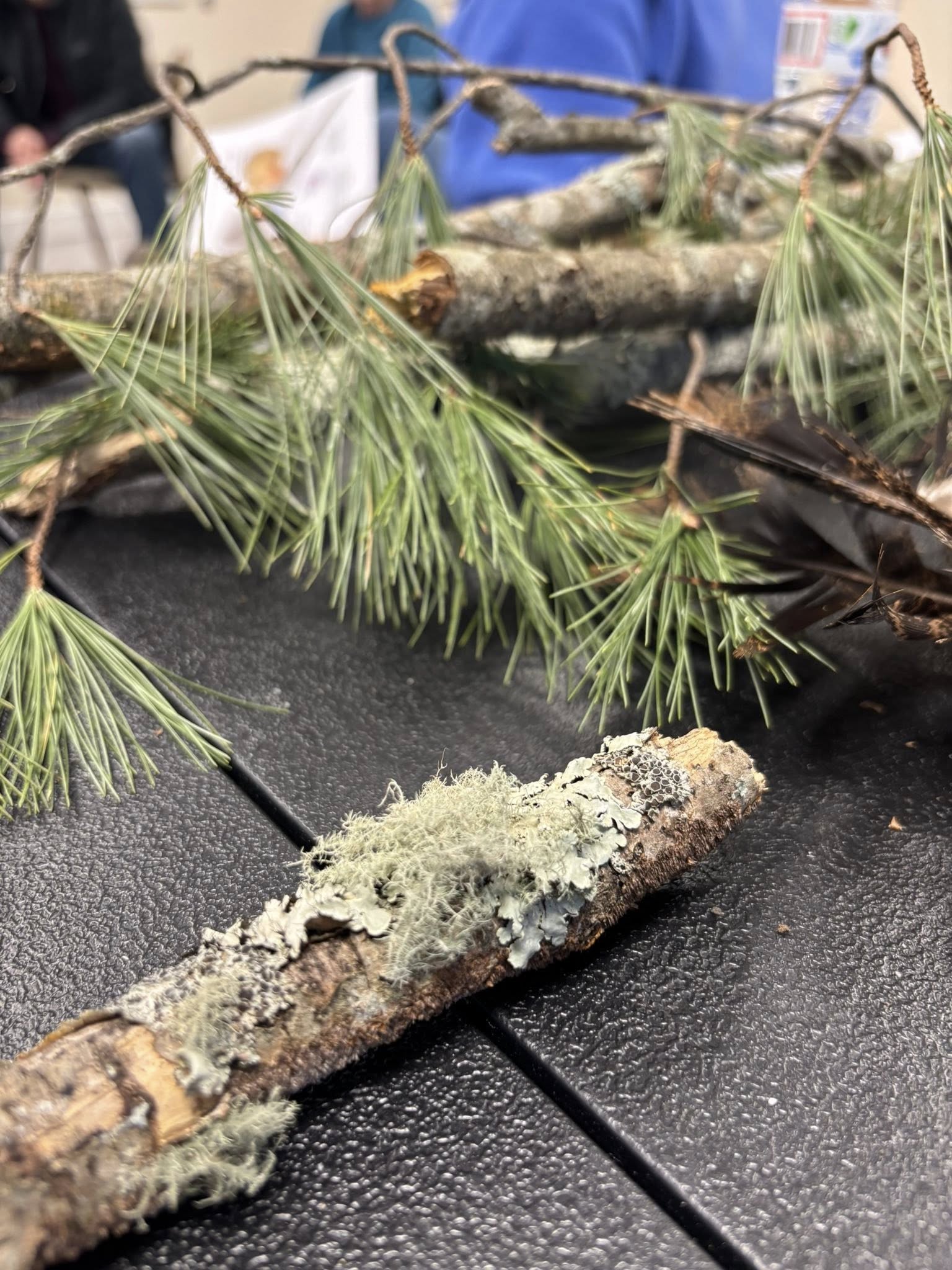
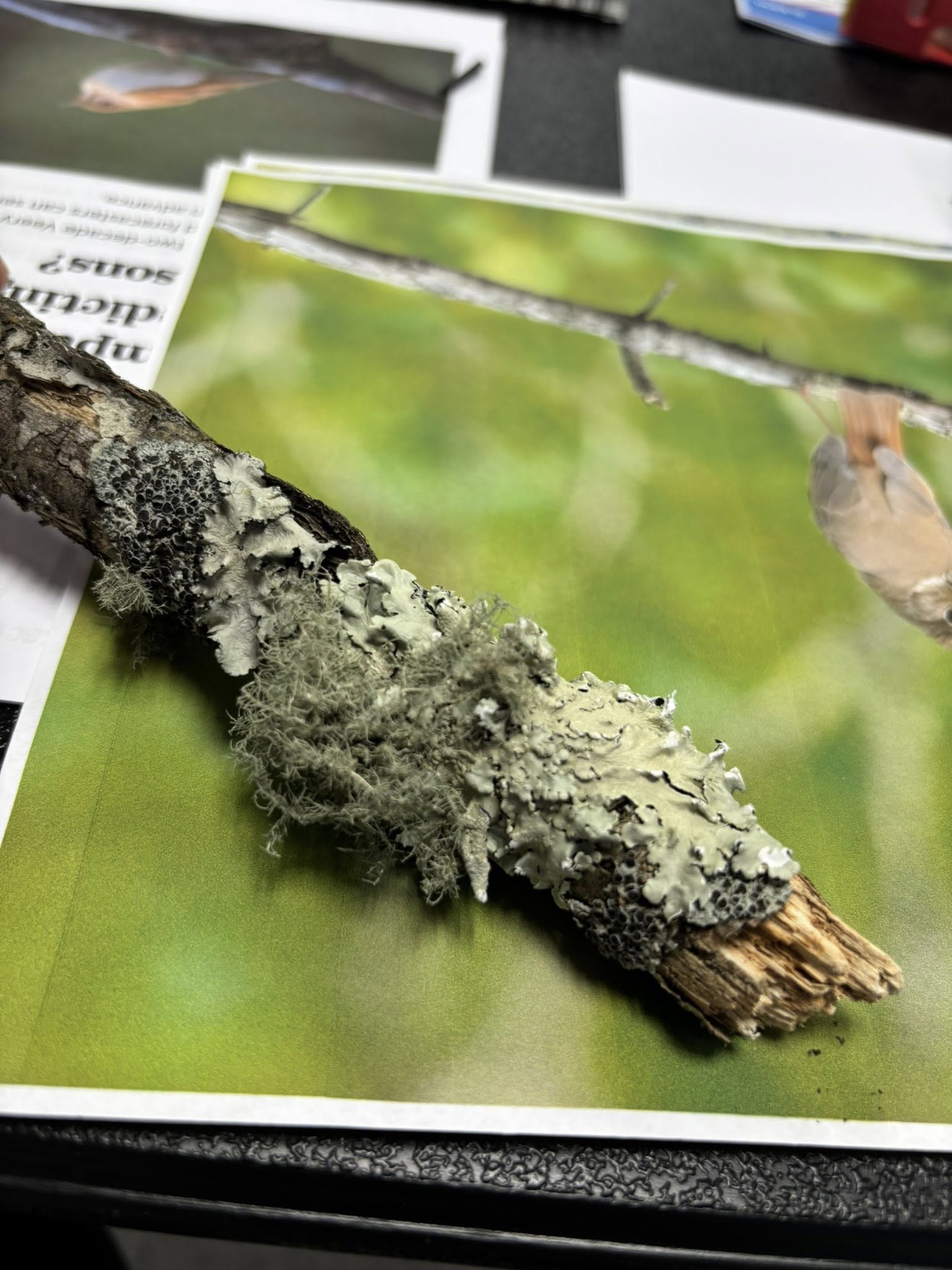
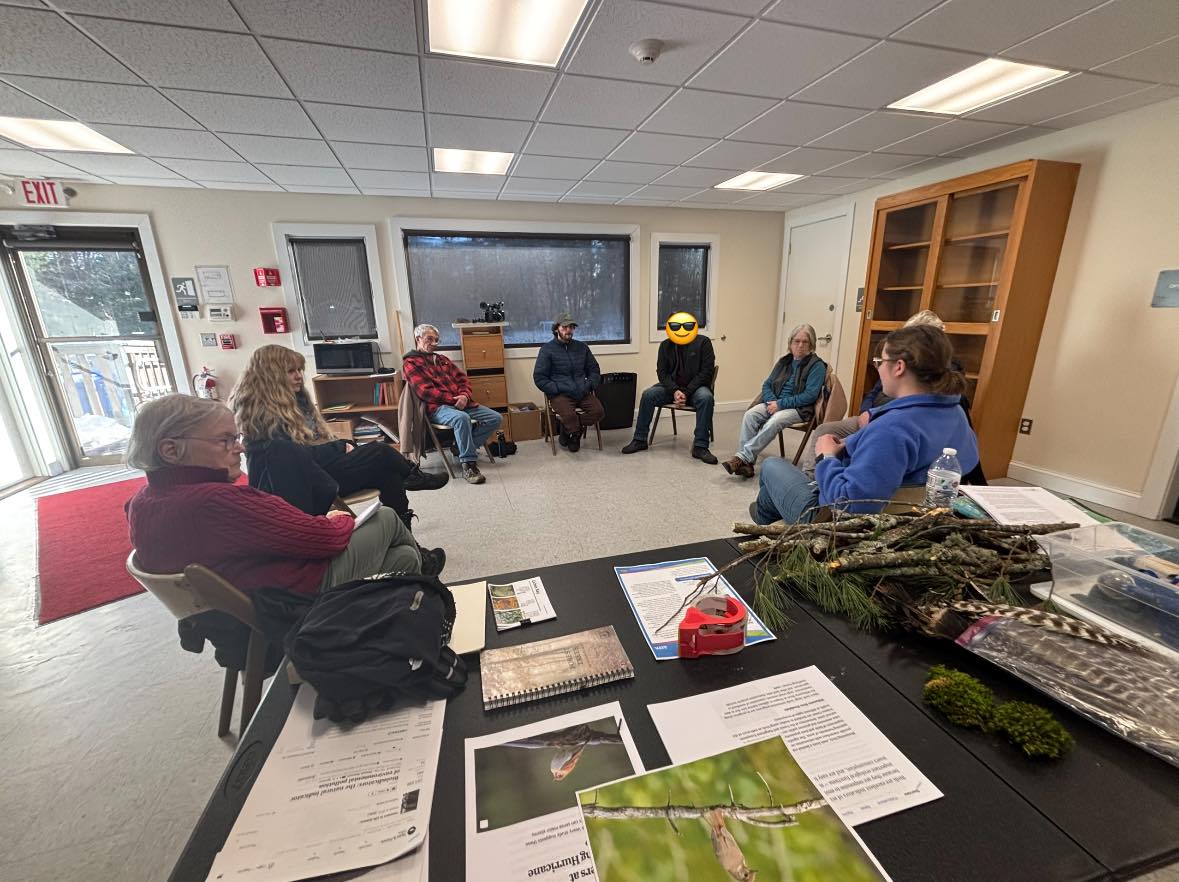
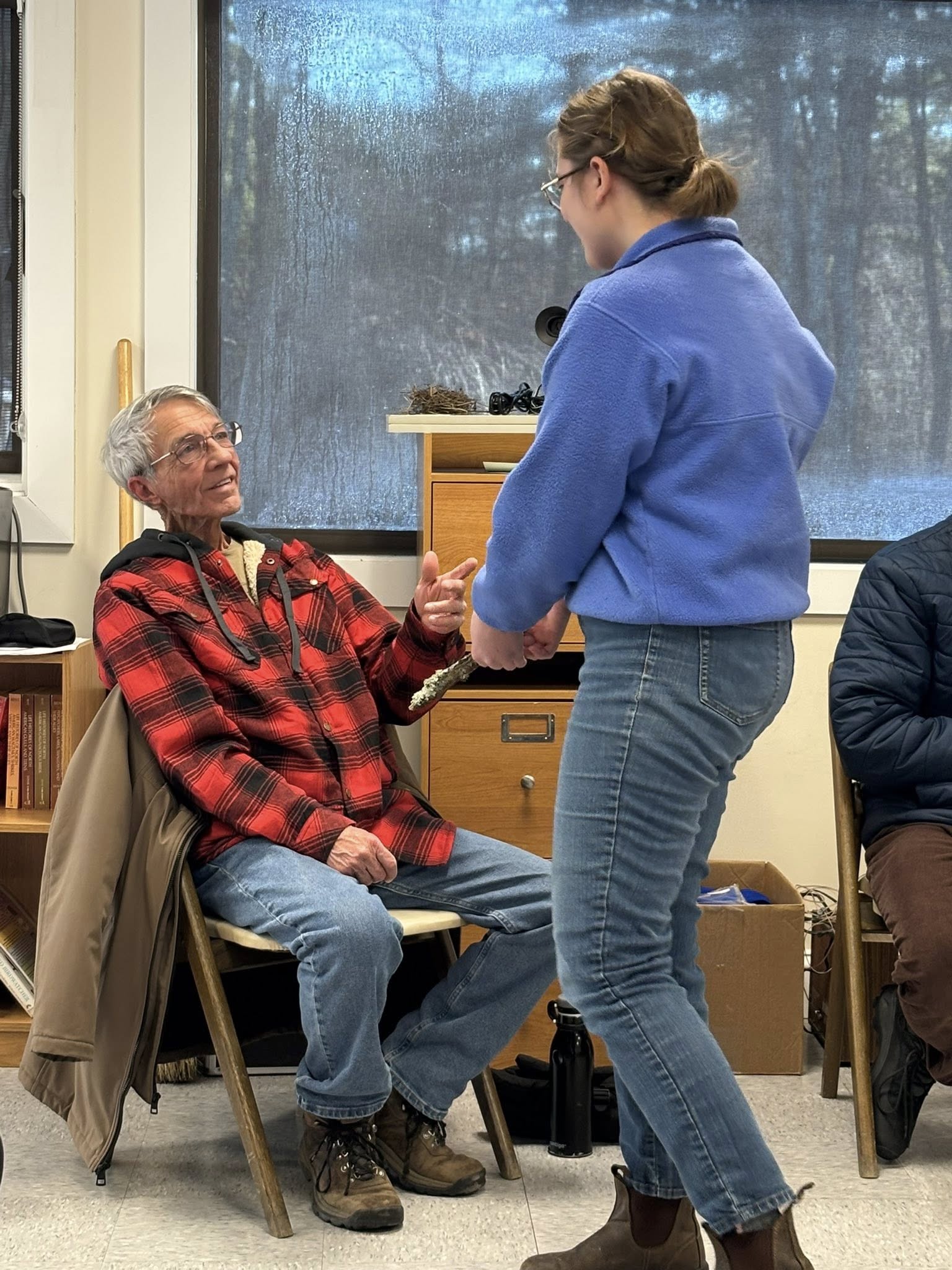
Nature is always speaking to us! Join Abby at the Boyden Wildlife Refuge to discover how we can learn about the health of our ecosystems by studying something called a bioindicator: a species that signals whether environmental conditions are thriving or under stress. After discussing and exploring biofacts from several Massachusetts bioindicator species, we’ll conduct an air‑quality experiment and search for a very special bioindicator found almost everywhere in our watershed… lichen!
 
Registration required. FREE for everyone!
 

Program Registration Form

Contact Details

Name(Required)
Email(Required)
Emergency Contact(Required)

Event Details